Writing · · 4 min read
No, we are not saving the Earth
On maturity, reverence, and the end of the hero myth
To save. Consider what the verb assumes. A savior. Something that needs saving. Someone with the power, and someone waiting to be rescued. A parent and young child relationship.
Let's stop infantilizing Nature.
The natural world is not waiting to be rescued. And certainly not by us. Potentially, she is asking us to stop destroying every gift we receive from her endless generosity and grace. That is a different request entirely. But she clearly doesn't need saving. And the belief that we could 'save' Earth reveals a deep lack of humility.
This savior narrative is in fact a reversal of our actual role. We are the vulnerable part of the equation. We are in no position of superiority. We are not the adult here.
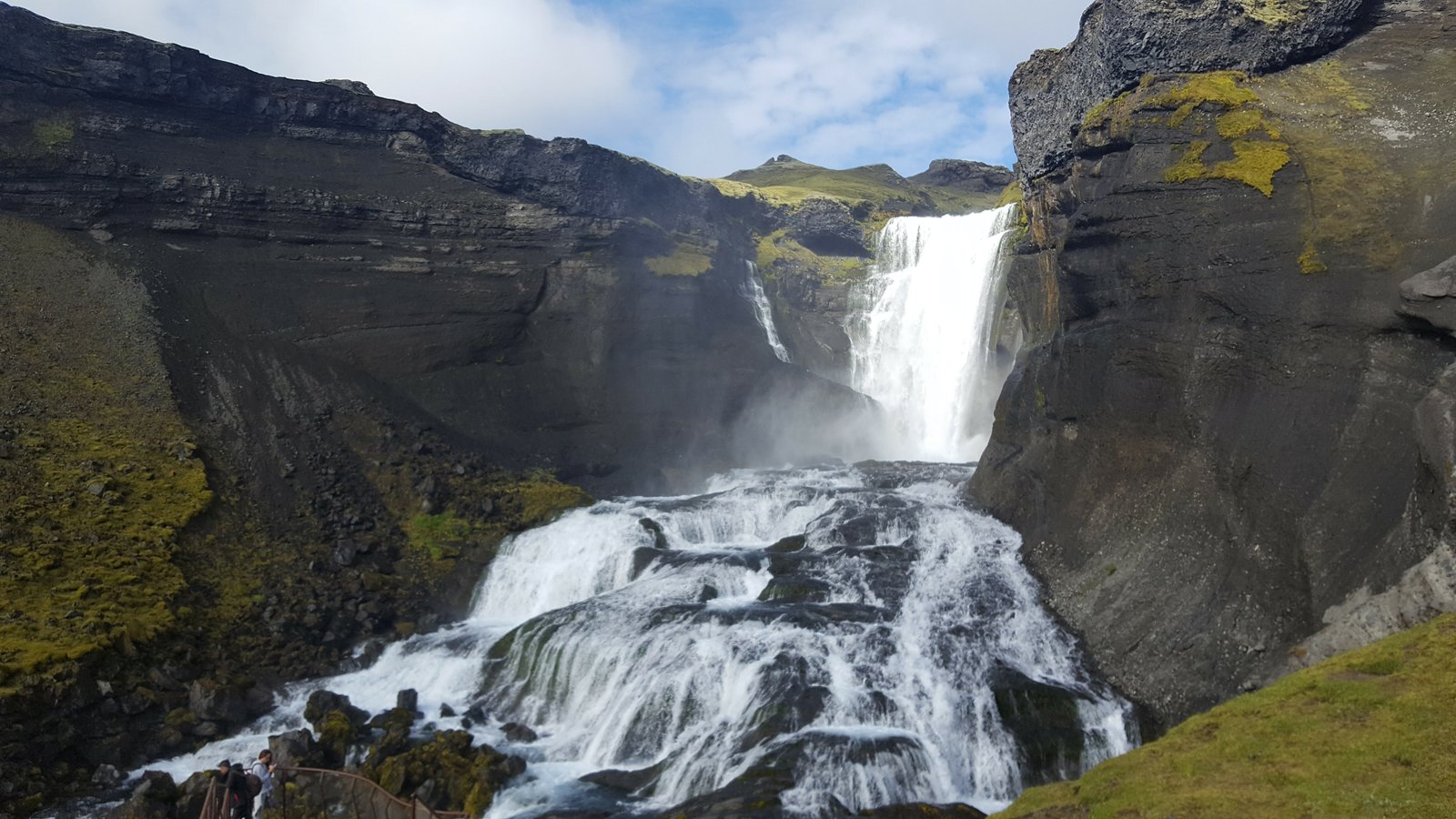
As every encounter with raw natural forces makes clear, we are radically exposed. Even our most advanced creations are a humble speck in comparison to the larger forces of nature. A flood reorganizes a city overnight. A wildfire erases centuries in an afternoon. Volcanoes shape the very ground our homes are built upon, long before we arrive and long after we are gone.
We might have created an illusion of control through the deification of science and progress. And it is true that our creativity is awe-inspiring. We humans are capable of creating incredible beauty - and horror. And that ability co-exists with the fact that, ultimately, we can't escape the truth - we are transient guests on a vastly mysterious planet. We are mortal. We are always subjugated to powers far greater than ours.
To be clear, we are not saving anyone other than, possibly, ourselves.
The belief that we are saving nature shares the same root with what created the problem in the first place: human exceptionalism. The idea that we stand outside and above the rest of life, rather than inside it.
Since the Anthropocene - the geological age defined by human activity as the dominant force shaping the planet - this exceptionalism has been obsessively centered. And it has led to the state of the world as it is now. One in which we lack humility, and we lack reverence.
Even the fact that we have an Earth Day is testament to the belief of separation. Something is obviously off balance if we need a designated day to remember the importance of that which allows life to exist. If it isn't in the calendar, we might forget.
Notice what saving and extracting have in common. The logic of colonialism, the logic of capitalism. Both place the human at the center, in charge. One takes. The other rescues. Both assume we are the ones with the power, and the rest of life the passive recipients of our will. They are two parts of the same coin.
Maybe what we need to unlearn is the myth of heroism altogether.
The narrative we all have heard. The one that goes like this. Once upon a time, a unique and outstanding individual sets out on their metaphorical horse. They slay the dragon. They return triumphant to the village. They are celebrated into a happy-ever-after eternity.
This sounds like a fairy tale. And, like all fairy tales, it is something that has never happened and is happening all the time. Our contemporary version might be the founder, the self-made billionaire who still shapes the vision of what success looks like in mainstream narratives.
But a hero needs someone outside the danger to rescue someone inside it. There is no outside. We are all inside. No bunker is outside the living world. No private island is outside the sea.
The end of the hero narrative may also be the beginning of the village narrative. One in which community is centered, in which self-actualization is understood as service to the whole. Where connection and belonging are celebrated as much as individualistic self-sufficiency is now.
And where we stop seeing humans as separate from the larger, interconnected ecological and relational system we are part of.
Giving up on the savior narrative doesn't mean giving up on action. It does not need to make us hopeless. Or passive. I do certainly believe that standing for the Rights of Nature, protecting life in all its forms, is maybe the most important task we currently have at hand. The most obvious.
But it isn't really saving we are attempting to do. It's taking responsibility for our actions. The centuries of destruction of the natural world, the delusions of superiority that have led to the death of thousands of species - we need to own that as a consequence of our choices. That is not heroic. That is maturity.
Taking responsibility for our actions is what mature adults do. So maybe, instead of seeing ourselves as heroes, that's what we do - mature.
Ideally together, as the community we actually are.
With love,
Laura
Receive new writing
Free essays in your inbox, with the option to support the work as a paid subscriber.